
Signs of a Faulty Turbo You Shouldn't Ignore
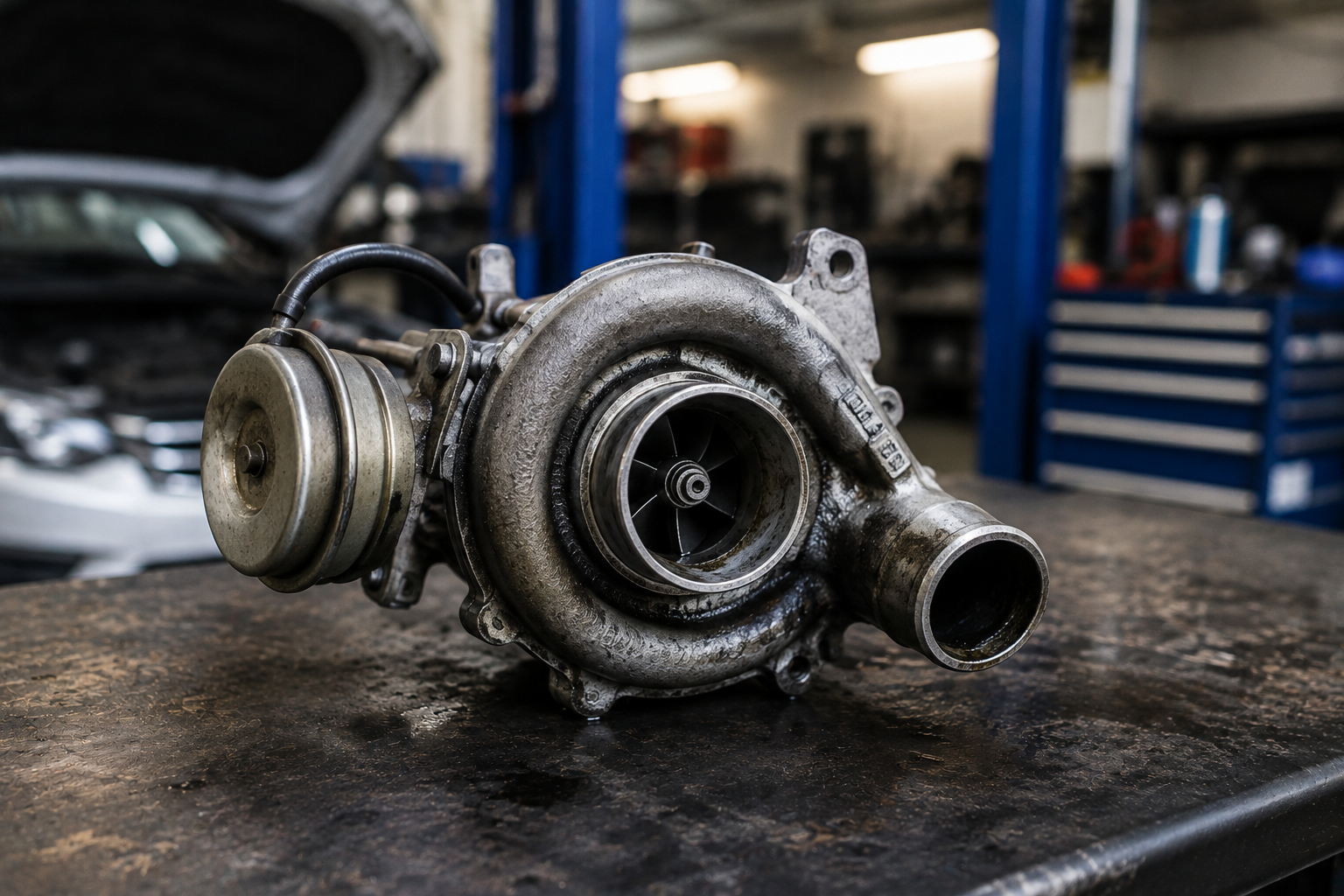
The turbocharger is one of the hardest-working components in a modern engine, especially in diesel powerplants and many of today's petrol engines. It spins at extremely high speeds and endures very high temperatures, so any fault can quickly escalate into a costly breakdown. Spotting the signs of a faulty turbo early lets you take action before the problem spreads to the rest of the engine.
In this article we review the most common symptoms, their possible causes, and what you should do when they appear.
What the turbo does and why it fails
The turbo uses the energy from the exhaust gases to compress the air entering the engine, which increases power without needing a larger engine. Because it spins at tens of thousands of revolutions per minute and is lubricated by the engine oil, it is sensitive to several factors:
- Poor-quality or insufficient oil, which causes premature wear of the bearings.
- Dirty air filters, which let abrasive particles through.
- Harsh driving when cold or switching off the engine right after high demand.
- Natural wear from mileage and hours of operation.
Proper maintenance significantly extends its service life, but when something starts to go wrong, the turbo usually gives warning signs.
The most common warning signs
1. Noticeable loss of power
If the vehicle accelerates with less vigour than usual, is slow to respond, or struggles to rev up, it may be a sign that the turbo isn't delivering the right pressure. The typical feeling is a "flat" car that doesn't perform like it used to, especially when overtaking or on hills.
2. Smoke from the exhaust
The colour of the smoke provides important clues:
- Bluish smoke: usually indicates that the turbo is burning oil, normally due to worn internal seals.
- Black smoke: may point to an incorrect air-fuel mixture, sometimes linked to leaks in the turbo's intake circuit.
Any persistent, abnormal smoke deserves an inspection.
3. Strange noises
A high-pitched, rising whistle when accelerating, different from the usual turbo sound, may be caused by a pressurised air leak. Metallic noises, squealing, or a "grinding" sound may indicate damage to the turbine blades or the internal bearings. These shouldn't be ignored.
4. High oil consumption
If you have to top up the oil more often than normal without finding any visible leaks, the turbo may be consuming it internally. This is a symptom that often accompanies bluish smoke.
5. Engine warning light on
Modern vehicles monitor boost pressure using sensors. When they detect values outside the normal range, they turn on the engine warning light and, in many cases, activate what's known as "limp mode", which limits power to protect the engine.
6. Increased fuel consumption
A turbo that isn't working correctly forces the engine to work harder to produce the same power, which can result in higher fuel consumption for no apparent reason.
What to do if you suspect a turbo problem
If you notice any of these symptoms, the most sensible course of action is the following:
- Avoid pushing the engine. Driving at high revs with a damaged turbo can worsen the breakdown and, in severe cases, allow metal fragments to enter the engine.
- Don't ignore limp mode. If the car limits its power, it's a protective measure: have it checked as soon as possible.
- Check the oil level and don't delay oil changes according to the manufacturer's recommendations.
- Go to a trusted workshop for an accurate diagnosis. Determining whether the fault lies in the turbo, a sensor, an intake hose, or the electronic management requires the right equipment and experience.
A professional diagnosis makes it possible to distinguish between a simple repair —such as replacing a leaking hose— and a major intervention. Often, acting early prevents a small problem from ending up damaging the turbo completely, or the engine itself.
The importance of prevention
The best way to avoid turbo failures is regular maintenance: quality oil and timely changes, filters in good condition, and careful driving habits, such as not pushing the engine when cold or switching it off abruptly after intensive driving. These small habits extend the life of the turbo and the entire engine assembly.
Book an inspection at GLORICAR 2020
If you've noticed a loss of power, smoke, noises, or abnormal oil consumption, don't wait for the problem to get worse. At GLORICAR 2020 (Málaga) we carry out a complete diagnosis of the turbocharging system and provide you with a clear estimate before any work is done. Book an appointment and drive with the peace of mind of knowing your engine is in good hands.
Frequently asked questions
Can I keep driving with a faulty turbo?
It's not advisable. Driving with a damaged turbo can worsen the breakdown and, in severe cases, cause engine damage from fragments entering the system or loss of lubrication. The sensible thing is to go to the workshop as soon as possible and avoid pushing the vehicle.
What colour of smoke indicates a turbo problem?
Bluish smoke usually indicates that the turbo is burning oil due to worn seals, while black smoke may point to air leaks or an incorrect mixture. Any persistent, abnormal smoke deserves a professional inspection.
Why does the engine warning light come on when the turbo fails?
Modern vehicles monitor boost pressure with sensors. If they detect values outside the normal range, they turn on the warning light and usually activate limp mode, which limits power to protect the engine until the repair is carried out.
How can I extend the service life of the turbo?
Keep the oil in good condition and change it within the manufacturer's intervals, check the filters, avoid pushing the engine when cold, and don't switch it off abruptly after intensive driving. Regular maintenance is the best prevention.
Does higher oil consumption always mean the turbo is failing?
Not necessarily, but it's a possibility worth considering, especially if there are no visible leaks and bluish smoke appears. A workshop diagnosis can confirm whether the consumption comes from the turbo, the engine, or another cause.