
Why Does the Check Engine Light Come On? Causes, Symptoms and Solutions
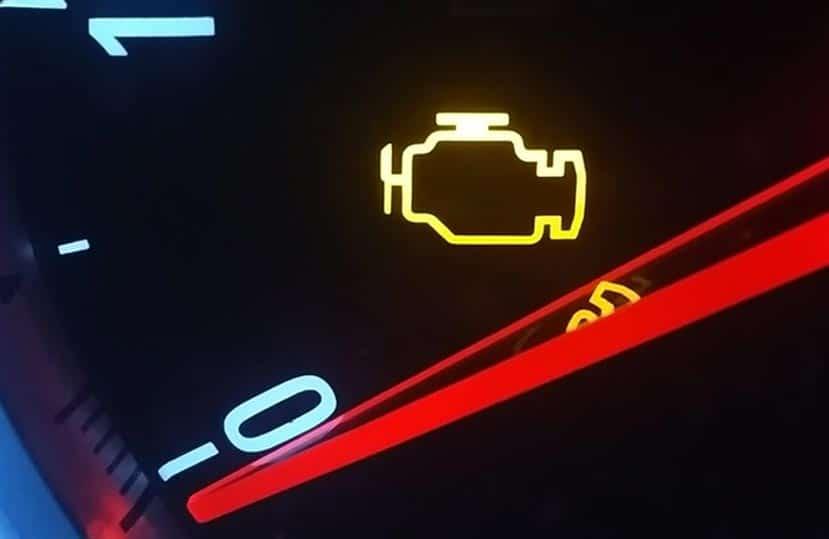
The check engine light —that orange engine-shaped light that appears on your dashboard— is one of the warnings that causes drivers the most concern. In this article we explain, clearly and honestly, why it comes on, what symptoms usually accompany it and how you should act to protect your safety and your wallet.
What the Check Engine Light Means
The engine warning light (also known as the check engine light or MIL) is part of your vehicle's self-diagnostic system. When the ECU detects a value outside the normal range in a sensor or a component related to the engine or emissions, it stores an error code and switches on the light to alert you.
It's important to distinguish between two situations:
- Steady light (orange): there is an anomaly worth checking, but you can usually drive with caution to the workshop.
- Flashing light: this usually indicates a serious fault, often related to combustion, that can damage the catalytic converter. In this case the sensible thing is to reduce your speed and get to a workshop as soon as possible.
Most Common Causes
The check engine light can be triggered for a wide variety of reasons, from something as simple as a loosely closed fuel cap to more serious breakdowns. These are the usual causes:
1. Oxygen Sensors or Lambda Probe
A fault in the lambda probe affects the air-fuel mixture. It usually results in higher consumption and a less regular engine operation.
2. Worn Spark Plugs or Ignition Coils
In petrol engines, worn spark plugs or a faulty coil cause misfires, jerking and loss of power.
3. Catalytic Converter or Exhaust System
A deteriorated or saturated catalytic converter raises emissions and can trigger the light. It is often the consequence of another earlier fault that wasn't repaired in time.
4. Mass Air Flow Sensor (MAF)
If it measures the amount of incoming air incorrectly, the engine may run irregularly, struggle to start or consume more fuel.
5. Emissions System (EGR, DPF in diesel engines)
In diesel engines, a clogged EGR valve or particulate filter (DPF) are very common causes, especially in vehicles that make many short trips around town.
6. Fuel Tank Cap
It may seem trivial, but a loosely fitted or faulty cap can alter the system pressure and switch on the light. It's worth checking.
Symptoms That May Accompany the Warning Light
The light may appear on its own or alongside other signs. Pay attention to:
- Loss of power or entering "limp mode" (limited revs).
- Jerking, jolting or an unstable idle.
- Increased fuel consumption.
- Abnormal smoke from the exhaust.
- Unusual noises or smells.
- Difficulty starting.
When the light appears without any noticeable symptoms, it's still unwise to ignore it: it may be an early-stage problem that, detected in time, is much cheaper to repair.
What to Do When It Comes On
Above all, stay calm and assess the situation:
- Check whether the light is steady or flashing. If it flashes or you notice a significant loss of power, slow down and avoid pushing the engine.
- Check the obvious: that the fuel cap is properly closed and that no other red lights are on (temperature, oil pressure). Red lights do require you to stop as soon as it's safe to do so.
- Don't clear the error without a diagnosis. Disconnecting the battery can turn the light off momentarily, but the problem will still be there and you'll lose information that is useful for diagnosis.
- Go to the workshop for a diagnostic reading. With diagnostic equipment, the stored codes are read and the real source of the fault is identified.
Why a Professional Diagnosis Matters
The same error code can have several possible causes. Reading the ECU is only the starting point: a good technician interprets that data, carries out additional checks and avoids replacing parts "just to try." This saves you money and guarantees a reliable repair.
What's more, driving for a long time with the warning light on can worsen the fault. An untreated misfire, for example, can end up damaging a catalytic converter whose replacement is considerably more expensive.
It's also worth bearing in mind that a vehicle with this light active may not pass its roadworthiness inspection. We recommend checking the current inspection interval for your vehicle and arriving at your appointment with the system in order.
Conclusion
The check engine light doesn't always mean a serious breakdown, but it should never be ignored. Correctly interpreting the light, attending to the symptoms and carrying out a professional diagnosis is the best way to drive safely and avoid major repairs.
If your vehicle's check engine light has come on, at GLORICAR 2020 (Málaga) we have the diagnostic equipment and the experience needed to pinpoint the source of the fault. Book an appointment or request a no-obligation quote and drive with peace of mind.
Frequently asked questions
Can I keep driving with the check engine light on?
If the light is steady and you don't notice serious symptoms, you can drive with caution to the workshop. If it flashes or you lose power, slow down and get there as soon as possible, as the catalytic converter could be damaged.
Why does the check engine light come on without any apparent symptoms?
The ECU may detect a value outside the normal range in a sensor before you notice it while driving. It's usually an early-stage problem that, diagnosed in time, is cheaper to repair.
Is clearing the error enough to turn off the light?
No. Clearing the code turns the light off temporarily, but if the cause persists it will come back on. The right approach is to diagnose the real source of the fault and repair it.
How much does it cost to diagnose why the check engine light comes on?
It depends on the vehicle and the complexity of the fault. The usual approach is to start with a diagnostic reading and additional checks. At GLORICAR 2020 (Málaga) we provide a quote after locating the source of the problem.
Can a loosely closed fuel cap switch on the warning light?
Yes. A loosely fitted or faulty cap alters the pressure of the fuel system and can trigger the light. Check that it's properly closed; if the issue persists, go to the workshop.